
Who Is IBHS?
The Insurance Institute for Business & Home Safety (IBHS) is an independent nonprofit research organization funded by the insurance industry. Its mission is to reduce damage from natural disasters by turning scientific research into stronger homes and communities.
IBHS operates the Research Center in South Carolina—one of the world’s largest disaster research facilities—where scientists recreate real-world conditions including high winds, hail, wind-driven rain, and wildfire exposure to study how buildings perform.
This research informs programs like FORTIFIED™ for wind resilience and Wildfire Prepared Home™, helping homeowners and builders understand which mitigation actions most effectively reduce damage.
How Homes Ignite During Wildfires
Homes ignite in three primary ways during wildfires:
- Wind-Blown Embers
Small burning embers carried by wind can travel long distances ahead of the fire front and ignite vulnerable areas around homes. - Radiant Heat
Heat from nearby burning vegetation or structures can ignite materials without direct flame contact. - Direct Flame Contact
Flames from burning vegetation or nearby structures reach the home itself.
Because embers cause most home ignitions, reducing ember exposure is a critical part of wildfire mitigation.
A Complete Approach to Protecting Your Home
Wildfire Prepared Home focuses on the vulnerabilities that research shows most often lead to home ignition.
Because wildfire can spread through multiple vulnerabilities, mitigation is most effective when defensible space, building features, and ember intrusion pathways are addressed together.
Homes that address these vulnerabilities are better prepared to withstand ember exposure and wildfire conditions.
Wildfire Prepared Home Program Levels
Wildfire Prepared Home offers two designation levels that reflect increasing levels of wildfire protection.
- Base (Essential) Level
Focuses on protection from wind-blown embers, the leading cause of home ignitions. Most existing homes can be retrofitted to achieve this level.
- Plus (Enhanced) Level
Builds on the Base (Essential) level by adding protections against flames and radiant heat. This level is often achieved during new construction or major exterior renovations.
Compare Levels: Base (Essential) vs. Plus (Enhanced)
Eligibility
Before applying for a Wildfire Prepared Home designation, confirm that your property meets the following requirements.
- Program Availability
The program is currently available in: Arizona, California, Colorado, Florida, Idaho, Montana, Nevada, New Mexico, Oklahoma, Oregon, Texas, Utah, Washington, and Wyoming. - Applicant
The applicant must be the property owner. - Property Status
Homes under active construction are not eligible for designation. - Photo Documentation
Clear and complete photos help speed up the application review process. Applicants must submit clear photos of:- All four sides of the home
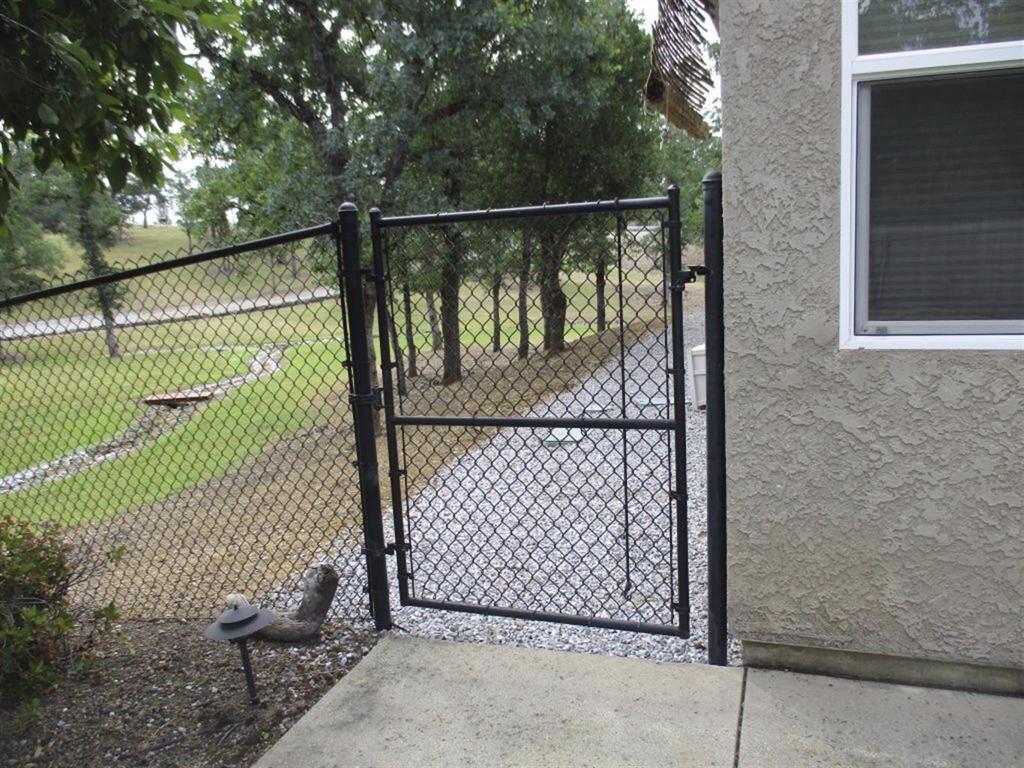
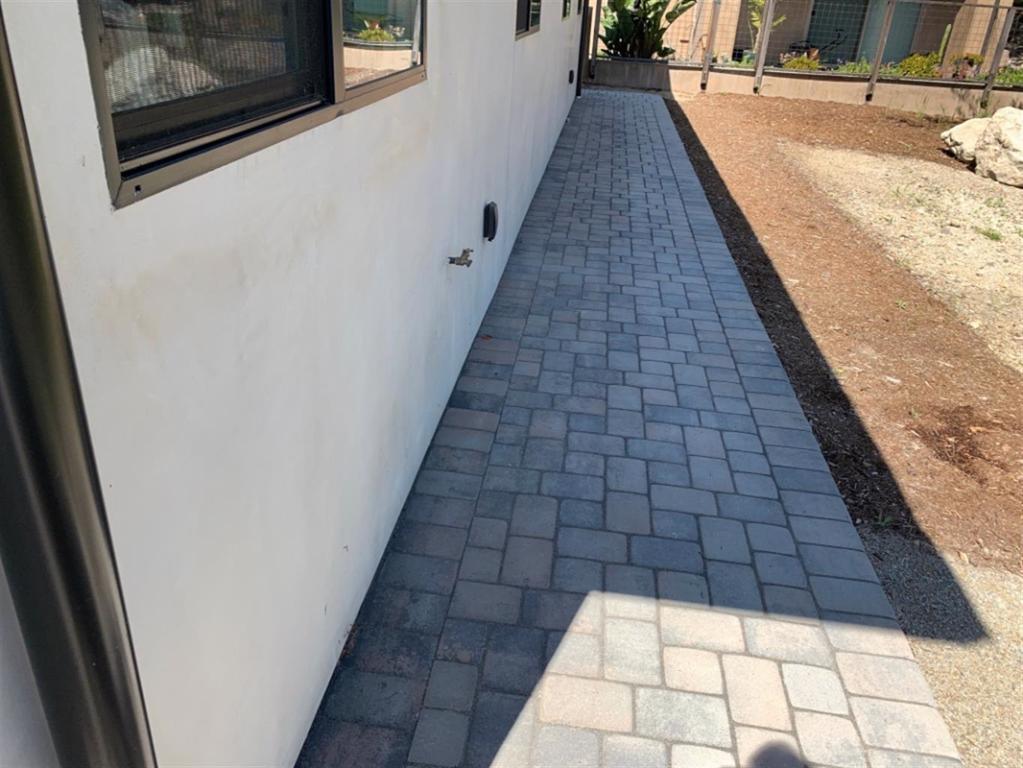
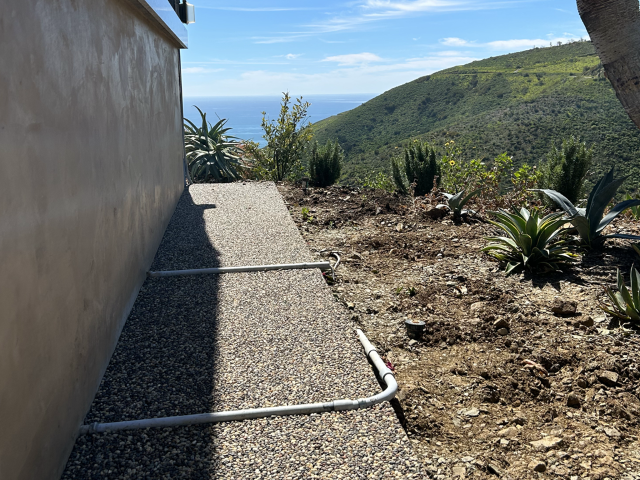
- The 0–5 Foot Noncombustible Zone
- Key property features, such as pergolas, decks, hot tubs, and propane tanks.
Photos of eligible homes with the 0–5 Foot Noncombustible Zone
Eligible Dwelling Types
Eligible homes must:
- Be located on a permanent foundation
- Be three stories or fewer above grade
- Comply with applicable state and local Wildland–Urban Interface (WUI) building codes
Eligible dwelling types include:
- Single-Family Detached Homes
Freestanding residential homes designed for occupancy by one household.
- Modular Homes
Factory-built homes constructed in sections and assembled on-site in compliance with applicable state and local building codes.
- HUD-Code Manufactured Homes Built After July 1994
Homes manufactured in compliance with HUD’s Manufactured Home Construction and Safety Standards adopted after July 1994.
Important Considerations
The Wildfire Prepared Home designation has strict mitigation requirements that must be met for designation eligibility.
- Protected trees within the 0–5 Foot Noncombustible Zone may disqualify some properties if they cannot legally be removed.
- Property owners may need to coordinate with neighbors or Homeowners Associations (HOAs) to meet setback requirements for the 0–5 Foot Noncombustible Zone.
- A 0–5 Foot Noncombustible Zone is required around the home and attached combustible structures, such as decks. This area must contain only noncombustible materials. All combustible items—including vegetation, overhanging branches, grass, artificial turf, wood mulch, wood or vinyl fencing, and stored items—must be removed.
Have more questions? Visit the Home FAQs to learn more.
How the Designation Process Works
Preparing a home for designation involves completing the required mitigation actions, submitting documentation, and passing an independent verification.
Step 1 – Choose a Designation Level & Complete the Required Mitigation
Before applying, homeowners should review the requirements for the Base (Essential) and Plus (Enhanced) designation levels to determine which level is appropriate for their home and project goals.
Once the level is selected, homeowners must complete the mitigation actions outlined in the Wildfire Prepared Home: How-To Prepare Checklist, which is based on the Wildfire Prepared Home Technical Standard.
The checklist outlines all required actions for:
- Base (Essential) Level
- Plus (Enhanced) Level
Because wildfire can exploit vulnerabilities around the home, all required mitigation actions must be completed to earn the designation.
Step 2 – Apply Online
Once the mitigation work is complete, or if applying for Full-Service support, homeowners can apply through the Wildfire Prepared Home Portal.
Apply here: wildfireprepared.org/portal
Applicants will:
- Create an account using an existing Google account or by creating a new account
- Start the home application
- Add a co-owner and/or secondary contact email (optional)*
- Select a service option**
- Pay the $125 non-refundable application fee (This fee covers application processing, eligibility review, and program administration. Payment does not guarantee a designation or an in-person evaluation.)
Important: Submitting an application does not guarantee designation. Homes must complete all required mitigation actions and pass an independent verification process before a designation can be issued.
Use an email address you check regularly. Status updates and annual review reminders will be sent to this email address.
*Optional Contacts: Homeowners may add a co-owner or a secondary contact, such as an insurance agent. These contacts will receive the same application status updates.
**Service Options:
- Do-It-Yourself (DIY) Service
Most homeowners choose the DIY option after completing the required mitigation work themselves and preparing the home for review. - Full-Service Option
Applicants may choose to work with Madronus, a partner that provides mitigation guidance, project design, and coordination with vetted contractors. This optional service includes additional fees and is managed directly through Madronus.
Step 3 – Submit Eligibility Photos
After submitting the application, homeowners upload eligibility photos of the property.
Required photos must show:
- All four sides of the home
- The 0–5 Foot Noncombustible Zone
- Key property features such as decks, porches, pergolas, hot tubs, and propane tanks
Clear and complete photos help speed up the review process.
During the eligibility review, the Wildfire Prepared Audit Team may request additional photos or updates showing the required completed work. These Change Requests will appear in the applicant dashboard and be sent by email.
Applicants have 60 days to complete the requested updates and upload new photos. Applications that remain incomplete after 60 days will close, and a new application will be required to continue the process.
Once eligibility review is approved, a qualified third-party evaluator will schedule an in-person evaluation.
Step 4 – In-Person Evaluation Process
A qualified third-party evaluator will schedule a visit to the home to:
- Verify building materials
- Confirm that required mitigation work has been completed
- Collect verification photos
The Wildfire Prepared Audit Team then reviews the evaluation documentation to determine whether the home meets all program requirements.
If additional items need to be addressed, applicants may receive Change Requests requesting updates or additional documentation before a designation can be issued.
Note: The evaluator’s role is to document conditions at the property and collect verification information. Evaluators do not provide wildfire mitigation advice or determine whether a home qualifies for designation.
Evaluator Availability: If a qualified third-party evaluator is not available in your area, you may be required to complete the evaluation using an approved self-inspection app. There is no additional fee for this option.
Step 5 – Designation Issued
If the property meets all program requirements, IBHS issues a Wildfire Prepared Home designation certificate showing the designation level achieved.
The designation is valid for three years. Annual reviews are required to confirm that the mitigation measures continue to be maintained.
Homeowners may choose to share their designation certificate with their insurance agent to explore potential insurance incentives or other benefits.
Step 6 – Maintain the Designation
To keep the designation Active, homeowners must complete two Annual Reviews —one at the 1-year anniversary and one at the 2-year anniversary of designation.
During each Annual Review, homeowners submit updated photos of the property to confirm that:
- Required mitigation measures are still in place
- Any new features, such as fences, decks, or structures remain compliant with program requirements
These reviews help confirm the home continues to meet Wildfire Prepared Home requirements.
As the 3-year designation period approaches, homeowners may apply for designation renewal to continue maintaining Active status.
How Long Does the Process Take?
The timeline depends on application completeness, property readiness, and evaluator availability in your area. Most applications move through the process within several weeks.
Typical timing includes:
- Initial eligibility photo review: approximately 2–5 business days
- Applicant response to Change Requests: up to 60 days (depending on homeowner response time)
- In-person evaluation scheduling: typically, 1–3 weeks after eligibility approval
- Final audit review after evaluation: approximately 2-5 business days
- Additional Change Requests after the in-person evaluation, if needed: up to 60 days for homeowner updates and resubmission
Homeowners can help speed up the process by submitting complete, clear photos and completing all mitigation work before applying.
Have more questions? Visit the Home FAQs to learn more.
Working Together With:









Stay In The Know
Want to keep up with the latest news from Wildfire Prepared Home? Sign up for updates today.